Search this site
6 results found with an empty search
- Emergency Service Districts (ESDs) Explained: Do You Know Who Shows Up When You Call 911?
Quick pop quiz: if your house caught fire tonight, do you know which department would show up? If you hesitated, don't worry, the answer is more complex than you think. Travis County Fire Rescue trucks responding to an emergency call. What is an Emergency Service District (ESD)? Here's the setup. Texas doesn't run fire protection the way most people assume. Most of the state is carved into Emergency Services Districts, or ESDs, local, tax funded districts that exist purely to fund fire and rescue coverage for a specific chunk of land. Think of an ESD less like a fire department and more like the folks writing the checks that keep the fire department's lights on, trucks fueled, and crews trained. So Where Does Travis County Fire Rescue Fit In? Travis County Fire Rescue is the department that actually answers the call for three distinct Emergency Service Districts: Travis County ESD No. 11 Travis County ESD No. 15 Caldwell/Hays ESD No. 1 A fire truck from Station 1104 is parked on the street, responding to an incident. ESD 11 and ESD 15 Are...Confusing Here's a detail that trips people up every time we mention it. ESD 11 and ESD 15 cover the exact same area in southeastern Travis County. Same map, two districts, and both fund the same fire and rescue services from Travis County Fire Rescue. So why do both exist? It comes down to a funding gap. ESD 11 originally relied on property and sales taxes revenue to fund fire protection. But in April 2018, an annexation pulled some of that sales-tax-generating area out of the district, which meant real money disappeared from the budget. To make up for it, the district asked voters to approve a brand new district, ESD 15, layered directly on top of ESD 11's boundaries, but funded through property tax instead of sales tax. Voters said yes almost unanimously: 94% approval on May 6, 2017. So ESD 15 isn't a different service, a different crew, or a different coverage area. It's the same footprint, the same fire protection, just a second funding source stacked on top of the first one to keep the district financially whole after the 2018 annexation took a bite out of its sales tax base. One more clarification, since it comes up a lot: EMS in this part of Travis County isn't handled by either ESD 11 or ESD 15 directly. That's provided separately by Austin-Travis County EMS (ATCEMS), an agency of the City of Austin. So neither district is the "medic" one, both exist purely to fund fire and rescue response, and ambulance service comes from an entirely different agency altogether. What an ESD Actually Does An emergency services district exists to fund the fire and rescue response for its coverage area. Property owners within district boundaries contribute through a portion of their local taxes, and that funding pays for stations, equipment, training, and most importantly, the people who show up when you need them most. The confusing part is that district lines don't always match up neatly with city limits, county lines, or your mental map of "my neighborhood." You could live five minutes from a friend and still fall under a different ESD than they do. It's less "us vs. them" and more "here's how your local coverage h happens to be drawn." A firefighter from TCFR focuses while using a hose to extinguish a brush fire. Why This Matters to You Knowing your ESD matters because: You'll know who's coming. In an emergency, recognizing the name on the truck builds trust before help even reaches your door. You'll understand what your tax dollars fund. ESD 11, 15, and 1 exist because these communities decided reliable emergency response was worth investing in. You'll know who to support. Volunteer opportunities, community events, and station open houses are usually organized around district lines, so knowing yours means you'll actually hear about them. Who's In Charge? ESD 11 and ESD 15 are both single-county districts, entirely within Travis County. Under Texas law, that means their board members are appointed, not elected. The Travis County Commissioners Court appoints five commissioners to the ESD 11 board and four to the ESD 15 board, each serving staggered two-year terms. It's a system designed to keep some turnover on the board every cycle, so you're never left with an entire board turning over, or never turning over, all at once. Caldwell/Hays ESD 1 works differently, and for a good reason. Because it covers territory in two counties instead of one, state law requires its board to be elected by the voters who actually live in the district, rather than appointed by a commissioners court. Its board also has five commissioners, so residents in the Caldwell/Hays coverage area get a direct vote in who oversees their district. Either way, appointed or elected, every commissioner has the same job: adopting the annual budget, making sure the district complies with state and federal requirements, and keeping an eye on whether the district is actually meeting the community's needs. Board meetings happen monthly, and they're open to the public, so if you want to see exactly how these decisions get made, you're welcome to sit in. Travis County Fire Rescue Station 1108 in ESD 1 Caldwell/Hays. Not Sure Which District You're In? If you live in Travis, Caldwell, or Hays County and you're still scratching your head, that's completely normal, and it's the whole reason we're writing posts like this. Travis County Fire Rescue serves ESD 11 and ESD 15 in Travis County, along with ESD 1 in the Caldwell/Hays area, and we'd rather you know us before an emergency than during one. Below is a list of the communities that we serve: Travis County (ESD 11 & ESD 15) Mustang Ridge Creedmoor Del Valle Easton Park Elroy Road Vista Del Pueblo Carson Creek Stoney Ridge North Thoroughbred Farms Elroy Garfield Caldwell/Hays ESD No. 1 Niederwald Uhland Dale Areas near Lytton Springs (Caldwell County side) For More on ESDs Still interested in learning about ESDs? Click here to learn more about what an emergency service district actually funds, one line at a time. up we're breaking down what an emergency services district actually funds, one line item at a time. Spoiler: it's not just trucks.
- The Real Cost of Showing Up: What ESD Funding Covers
Last time, we covered what an Emergency Services District actually is and which ones Travis County Fire Rescue serves. If you skipped that one, the short version is this: ESD 11, ESD 15, and Caldwell/Hays ESD 1 are the three districts that fund fire and rescue coverage across parts of Travis, Caldwell, and Hays counties. But knowing the district exists is one thing. Knowing what it actually takes to make sure someone shows up when you call is a different question, and it's usually the one people ask right after they figure out the first one. Travis County Fire Rescue Station 1106. The Short Answer: People, Equipment, and Readiness ESD funding breaks down into a few major buckets. None of them are glamorous on paper, but every one of them is the reason a truck shows up in minutes instead of hours. Staffing. This is the biggest piece of almost any fire department's budget, and for good reason. Career firefighters and EMS personnel need to be on shift around the clock, every day of the year, whether it's a slow Tuesday or the middle of wildfire season. That means paying for enough staff to cover 24/7 shifts across every station in the district, not just during business hours. Apparatus and equipment. Fire trucks, ambulances, rescue tools, protective gear. None of it is cheap, and none of it lasts forever. A single fire engine can run well into six figures, and turnout gear has a shelf life measured in years, not decades, because it takes a beating every time it's used. A firefighter responds to a call wearing gear funded by ESDs 11, 15 and 1. Training. Firefighters and EMS personnel don't get certified once and coast. Ongoing training keeps skills sharp for everything from structure fires to medical emergencies to wildland response, and Central Texas throws a bit of everything at a department over the course of a year. Facilities. Stations need to be built, maintained, and eventually replaced. As Travis, Caldwell, and Hays counties keep growing, that sometimes means new stations in areas that didn't need one a decade ago. Why Two Districts Cover the Same Ground Here's a detail that trips people up every time we mention it. ESD 11 and ESD 15 cover the exact same area in southeastern Travis County. Same map, two districts, and both fund the same fire and rescue services from Travis County Fire Rescue. So why do both exist? It comes down to a funding gap. ESD 11 originally relied on property and sales taxes revenue to fund fire protection. But in April 2018, an annexation pulled some of that sales-tax-generating area out of the district, which meant real money disappeared from the budget. To make up for it, the district asked voters to approve a brand new district, ESD 15, layered directly on top of ESD 11's boundaries, but funded through property tax instead of sales tax. Voters said yes almost unanimously: 94% approval on May 6, 2017. So ESD 15 isn't a different service, a different crew, or a different coverage area. It's the same footprint, the same fire protection, just a second funding source stacked on top of the first one to keep the district financially whole after the 2018 annexation took a bite out of its sales tax base. One more clarification, since it comes up a lot: EMS in this part of Travis County isn't handled by either ESD 11 or ESD 15 directly. That's provided separately by Austin-Travis County EMS (ATCEMS), an agency of the City of Austin. So neither district is the "medic" one, both exist purely to fund fire and rescue response, and ambulance service comes from an entirely different agency altogether. What Happens When Growth Outpaces Funding Travis, Caldwell, and Hays counties have grown fast, and that growth doesn't stop for budget cycles. More rooftops mean more calls, more response points needed, and more strain on stations that were built for a smaller population. ESD funding is what allows a department to keep pace with that growth instead of falling behind it, adding stations, adding staff, and updating equipment as the coverage area demands it. The Real Cost Isn't Just Dollars Here's the part that's easy to miss. The "cost" of showing up isn't only what's on a budget spreadsheet. It's a crew member missing a holiday dinner because someone needed to be on shift. It's hours spent training on a scenario that, statistically, might never happen at your address, just so the crew is ready if it does. Funding pays for readiness, and readiness is a cost that gets paid every single day, whether or not the phone ever rings. Firefighters From Travis County Fire Rescue Take a Group Photo. Curious About Your Own District? If you live in Travis, Caldwell, or Hays County, your ESD tax dollars are already at work funding the stations, staff, and equipment covering your area. Knowing what that funding supports is the first step to understanding just how much goes into keeping a department ready around the clock. Next up, we'll walk through what actually happens between the moment you dial 911 and the moment help arrives. Turns out there's a lot more happening on the other end of that call than most people realize.
- Safety Alert: Travis County Fire Rescue Warns Drivers About Repeated Crashes at U.S. 183 and FM 812
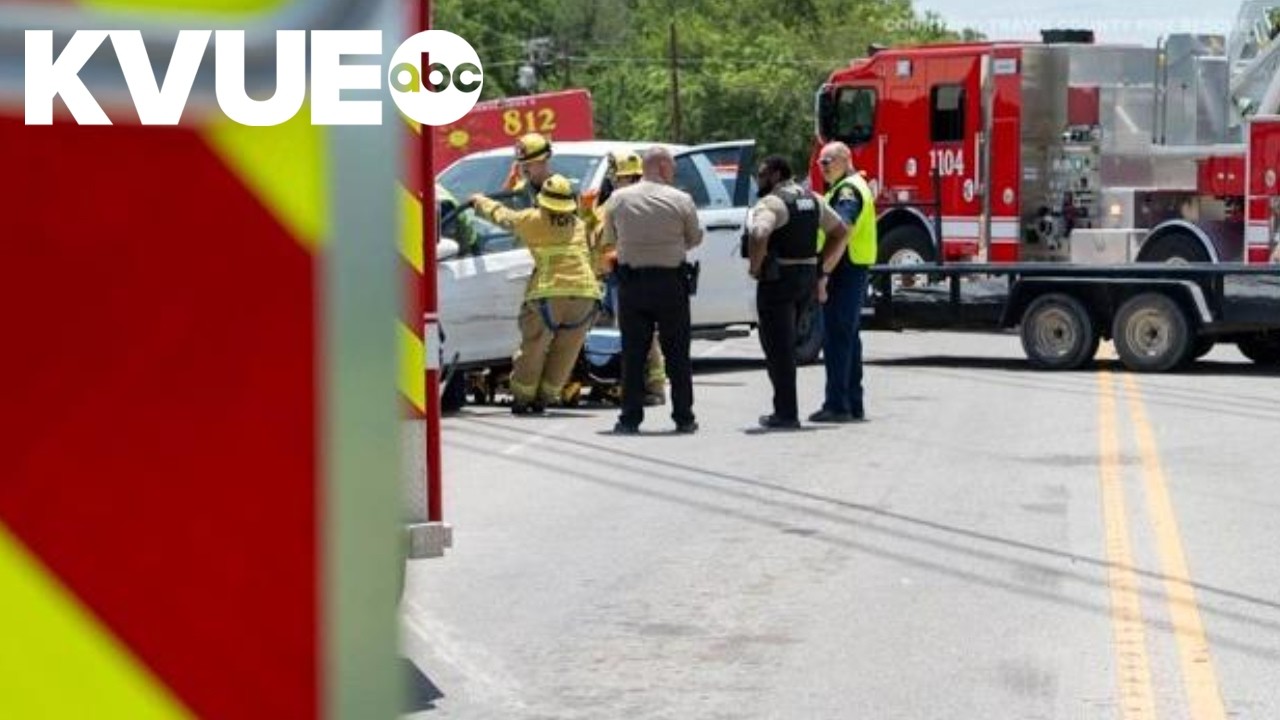
Over the past four to five months, Travis County Fire Rescue crews have responded to a concerning number of crashes at the intersection of U.S. 183 and FM 812. Based on our experience responding to these incidents, speed and confusion involving left turns across multiple lanes of traffic appear to be contributing factors in many of the crashes. Firefighters and law enforcement respond to a vehicle accident on FM812. Drivers turning left from FM 812 across westbound U.S. 183 toward the VFW or nearby flea market may encounter stopped or backed-up traffic. In some cases, a driver in one lane may wave another vehicle through while traffic in the adjacent lane continues moving. Emergency responders assess the scene after a collision leaves a vehicle extensively damaged. A driver waving you through does not necessarily mean it is safe to cross. Before turning or crossing multiple lanes of traffic, make sure you can see and verify that all lanes are clear. Never assume that traffic in another lane has stopped simply because one driver has yielded. Front end of a vehicle showing extensive damage following a collision, with crumpled metal and broken components visible. Speed is also a concern. Vehicles traveling along U.S. 183 and FM 812 may be traveling at speeds of approximately 50 to 60 mph, leaving drivers with very little time to react to a vehicle turning across traffic. Two vehicles, a white SUV and a blue sedan, are seen damaged after a collision, with emergency responders working in the background. Travis County Fire Rescue is working to raise awareness about the safety concerns at this intersection and explore potential solutions with transportation and road safety officials. In the meantime, we urge drivers to: Slow down and remain alert. Never rely solely on another driver waving you through. Check every lane of traffic before turning or crossing. Never assume a vehicle in an adjacent lane has stopped. Allow extra time when turning into the VFW or nearby businesses. This intersection is a reminder that even a well-intentioned gesture from another driver can create a dangerous situation when all lanes of traffic are not visible. Take your time, stay alert, and make sure the way is clear before proceeding. Firefighters work under the hood of a vehicle, responding to a roadside collision. Emergency responders work together at the scene of a vehicle collision on FM812. Front view of a severely damaged vehicle, showcasing extensive dents and a shattered bumper, highlighting the aftermath of a collision. Travis County Fire Rescue Responds to a vehicle collision on FM812. Emergency responders manage the aftermath of a roadside accident involving multiple vehicles as a firefighter clears debris while an EMS vehicle stands ready to assist. Watch the KVUE report For more information about the repeated crashes at the intersection and the safety concerns raised by Travis County Fire Rescue, watch KVUE's report here: Please share this message with family, friends, and anyone who regularly travels U.S. 183 and FM 812.
- How To Dispose of Fireworks
The Celebration May Be Over, But the Fire Risk Isn't.. As Independence Day celebrations come to an end, it's easy to focus on cleaning up and getting back to normal. However, one of the most overlooked fire hazards happens after the last firework has been lit. Used fireworks can remain hot long after they've burned out. If they're thrown into a trash can too soon or left in dry grass, mulch, or other combustible materials, they can reignite and start a fire hours later. Taking a few extra minutes to dispose of fireworks properly can help protect your home, your neighbors, and your community. A burnt trashcan sits in an alley. How to Safely Dispose of Fireworks Before throwing away any used fireworks, make sure they have cooled completely. The safest method is to place all spent fireworks in a bucket of water and let them soak for several hours or overnight. Once they have been thoroughly soaked, place them in a bag before disposing of them in your household trash. Never place fireworks directly into a trash can while they are still warm, and avoid leaving them on your driveway, porch, or near your home while they cool. A collection of used fireworks. What About Fireworks That Didn't Go Off? A firework that fails to ignite, often called a "dud," can still be dangerous. Never attempt to relight it. Instead, wait at least 20 minutes, then carefully soak it in water before disposing of it the same way you would a used firework. Be Mindful of Fire Conditions Even a small ember can ignite dry grass, leaves, mulch, or brush, especially during the summer months when vegetation is dry. Before calling it a night, take a walk around your yard and the area where fireworks were used. Look for any smoldering debris or small spot fires that may not be immediately visible. If you're celebrating near open fields or undeveloped land, exercise even greater caution. Wildfires can start from a single spark. Before you clean up, remember these safety tips: 💧 Soak all used fireworks in a bucket of water for several hours or overnight. 🗑️ Once completely soaked, place them in a bag before disposing of them in the trash. 🏡 Never throw fireworks directly into a trash can while they're still hot.🌾 Keep used fireworks away from dry grass, mulch, brush, or anything that can burn. 🔥 If a firework doesn't ignite, don't try to relight it. Wait at least 20 minutes, then soak it thoroughly before disposal. 👀 Before heading inside for the night, check your yard and surrounding area for any smoldering debris. A Few Minutes Can Prevent a Lifetime of Damage Fireworks create lasting memories, but they can also create lasting consequences if they aren't handled responsibly. Proper disposal is one of the easiest ways to reduce the risk of fires after a celebration. By taking a few extra precautions, you're helping protect your family, your neighbors, and the firefighters who respond when accidents happen. From all of us at Travis County Fire Rescue, thank you for celebrating responsibly and doing your part to keep our community safe. Want to learn more about firework disposal? Visit: https://tfsweb.tamu.edu/wildfire-and-other-disasters/homeowners-prevention-and-preparedness/prevent-wildfires/firework-safety/
- Grill Safety Tips to Keep Your Summer Cookouts Fun and Accident-Free
Nothing says summer like firing up the grill for burgers, steaks, or your favorite barbecue recipes. While outdoor grilling is a favorite tradition for many families, it also comes with serious safety risks if proper precautions aren't taken. A few simple steps can help you prevent fires, avoid injuries, and enjoy your cookout with peace of mind. Steak and vegetables sizzle on a grill, enveloped in flames and smoke. Grilling Fires by the Numbers Grilling accidents are more common than many people realize. According to the National Fire Protection Association (NFPA), grill fires increase significantly during the warmer months, with July and June each accounting for 15% of annual grill fires. May follows closely behind at 13%, and August accounts for another 11%. Other important statistics include: About 20% of grill fires were linked to grills that had not been cleaned properly. Nearly one in four grill structure fires started on an exterior balcony or open porch. Gas grills are involved in more than 9,000 home fires each year, with gas leaks and damaged hoses contributing to many incidents. Between 2020 and 2024, an average of more than 21,000 people visited emergency rooms annually for grill-related injuries. These numbers highlight why grilling safety should always be part of your cookout plans. Prepare Your Grill Before You Cook Before your first barbecue of the season (or anytime you use your grill) take a few minutes to inspect it. If you use a propane grill: Check the gas tank, hose, regulator, and connections for leaks using a mixture of soap and water. If bubbles appear when the gas is turned on, you have a leak. Turn off the gas immediately and repair the issue before using the grill. Always open the grill lid before lighting it to prevent gas from building up inside. For every type of grill: Clean away grease and food residue from cooking grates and drip trays. Remove any accumulated grease that could ignite during cooking. Safe Grilling Starts with Proper Placement Where you place your grill matters just as much as how you use it. Always position your grill: At least several feet away from your home, deck railings, fences, and other structures. Away from overhanging tree branches and roof eaves. In an area clear of foot traffic, lawn games, and children's play spaces. Never use a grill in enclosed spaces such as garages or under covered porches unless the manufacturer specifically approves it. Keep Kids and Pets Safe Grills become extremely hot and can cause serious burns long after the cooking is finished. Create a "kid-free zone" of at least three feet around the grill, and make sure children and pets stay outside this area at all times. Keep items like towels, paper plates, food packaging, and oven mitts away from open flames as well. A propane grill stands ready for use on a wooden porch. Charcoal Grilling Safety If you're using a charcoal grill, follow these important guidelines: Use only charcoal starter fluid designed specifically for charcoal grills. Never use gasoline or other flammable liquids to start a fire. Never add lighter fluid to burning or already hot coals. Consider using a charcoal chimney starter to light coals safely. Long-handled grilling tools can also help keep your hands farther away from heat and flames while cooking. Never Leave the Grill Unattended One of the easiest ways to prevent a fire is to stay with your grill while it's in use. Whether you're grilling at home, camping, or enjoying a day at the park, always have a responsible adult monitoring the fire. If you're grilling in a public park or campground: Check local regulations before lighting a grill or campfire. Be aware of fire restrictions or burn bans. Monitor weather conditions and fire danger ratings before cooking outdoors. Properly Dispose of Charcoal Once you're finished cooking, don't rush to throw away hot coals. Instead: Allow the coals to cool completely. Douse them thoroughly with water before leaving the area. Place cooled coals in a dedicated metal container with a tight-fitting lid. Store the container outdoors and away from combustible materials. Never dump hot coals directly into a trash can, as they can reignite hours later. A person pours water over hot coals in a metal trashcan. Enjoy Every Cookout Safely Outdoor grilling should create great memories, not emergency situations. By inspecting your grill, keeping it clean, maintaining a safe cooking area, and never leaving flames unattended, you can greatly reduce the risk of fire and injury. A few minutes of preparation can make all the difference, helping you enjoy delicious meals while keeping your family, guests, and home safe throughout grilling season. For more information about firework safety, please visit: https://www.nfpa.org/education-and-research/home-fire-safety/grilling#resources
- Celebrate Safely: Fireworks Safety Tips for a Safe Holiday
As holidays and celebrations approach, many families look forward to gathering with friends, enjoying cookouts, and watching fireworks light up the night sky. While fireworks are a long-standing tradition, they also present significant risks to people, pets, and property. According to the National Fire Protection Association (NFPA), the safest way to enjoy fireworks is to attend a public display conducted by trained professionals. Consumer fireworks cause thousands of injuries and fires each year, many of which could have been prevented. Fireworks lighting up the night sky during a holiday celebration The Risks of Consumer Fireworks Fireworks are not toys. They contain explosive materials that can cause fires and injuries if handled improperly. According to the National Fire Protection Association (NFPA), consumer fireworks cause thousands of injuries and fires every year. These include: Structure fires: Homes and buildings can catch fire when fireworks land on roofs, decks, or near flammable materials. Vehicle fires: Cars parked too close to fireworks can ignite. Outdoor fires: Dry grass, trees, and brush can easily catch fire, especially during hot, dry weather. Burns are the most common injury from fireworks. Hands, fingers, eyes, and faces are often affected because people hold or light fireworks too close. Children are especially at risk since they may not understand the dangers or handle fireworks safely. Many people think sparklers are safe for kids, but sparklers burn at temperatures over 1,200°F. This heat can melt some metals and cause severe burns in seconds. Even brief contact with a sparkler can lead to painful injuries. Fireworks Safety Tips If fireworks are legal where you live and you decide to use them, follow these safety tips to reduce the risk of accidents: Keep children away from fireworks. Never let young kids handle or light fireworks. Older children should always be supervised by an adult. Have water ready. Keep a bucket of water, a garden hose, or a fire extinguisher nearby in case of fire. Light one firework at a time. After lighting, move back quickly to a safe distance. Do not relight duds. If a firework fails to ignite, do not try to light it again. Wait 20 minutes, then soak it in water. Never point or throw fireworks. Aim fireworks away from people, animals, vehicles, and buildings. Avoid alcohol or drugs. Stay sober when handling fireworks to keep your judgment sharp. Follow instructions. Read and follow all manufacturer warnings and directions carefully. Choose open spaces. Use fireworks in large, clear areas away from homes, dry grass, trees, and cars. These steps can prevent many common accidents and injuries. For example, lighting fireworks in a grassy field with a water source nearby reduces fire risk. Keeping children at a safe distance prevents burns and eye injuries. A rustic metal bucket filled with water rests under an outdoor spout. Consider Safer Alternatives There are many ways to celebrate without the risks associated with fireworks. Consider: Attending a professional fireworks display Using glow sticks or LED light toys Hosting an outdoor movie night Organizing patriotic games and activities Decorating with festive lights and decorations These alternatives can provide fun and excitement while helping keep your family and community safe. Vibrant red and blue glow sticks illuminating a woman's face. For more information about firework safety, please visit: https://www.nfpa.org/education-and-research/home-fire-safety/fireworks